Inspiration
Feature wall ideas for Australian homes
The Tehila Maison Team · September 17, 2026 · 10 min read
A feature wall is a single focal surface that zones a room, frames furniture, and carries texture or pattern without painting every wall the same. For Australian homeowners and residential designers, the strongest ideas survive harsh daylight, open-plan layouts, and real acoustics, not just mood-board paint chips.
Tehila Maison treats feature walls as a system: paste-the-wall designer wallpaper Australia, wallpaper murals, and acoustic wall panels, alone or together. Order samples, view them in your own light, then hang or install with a clear plan. This post stays residential. Hospitality, office, and retail feature walls belong on /commercial.
Why feature walls work in Australian homes
Open-plan living needs zoning. A feature wall behind the sofa, fireplace, or TV defines “living” without building a partition. Bedrooms use the wall behind the bed as a calm focal plane. Hallways and entries use a short run of pattern or timber to announce the home without decorating every corridor surface.
Australian light is strong and often raking. Texture, mural scale, and timber grain hold up better than flat paint alone when sun tracks across a wall all afternoon. A well-chosen feature wall can also soften echo when you specify timber acoustic panels or combine wallpaper with panels on adjacent planes. That dual brief (look + listen) is where Maison sits versus paint-only inspiration sites and peel-and-stick DIY lists.
Keep the brief residential: one hero wall, honest materials, and samples on the real substrate before you commit to rolls or panel packs. Inspiration should end in a shop path, not another vague mood board. Uniform colour schemes are fine; a feature wall simply anchors character where the eye already rests. In many Australian homes that means one plane of wallpaper or timber panels, not a full-room wrap, so the rest of the architecture can stay quiet.
Wallpaper feature walls (paste-the-wall)
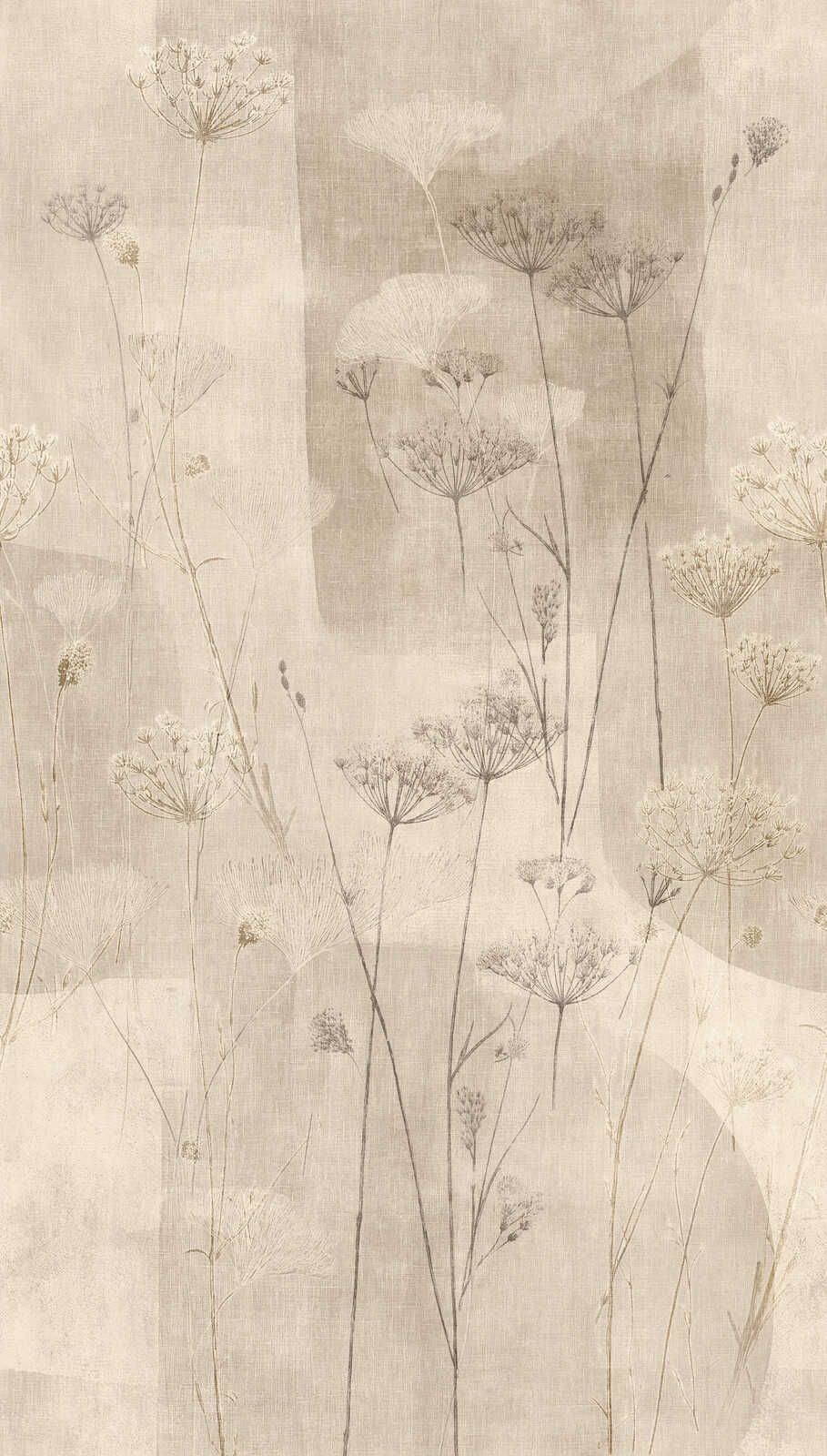
Wallpaper carries pattern, colour, and mural storytelling that paint cannot match. Maison collections are hung paste-the-wall when the product allows: adhesive on the wall, dry strip, cleaner DIY path for non-woven papers. Some designs still use paste-the-paper; always follow the roll. We do not recommend peel-and-stick for these installs. For tools, prep, seams, and when to call a pro, see how to hang wallpaper. Pair rolls with wallpaper adhesive and estimate quantity with the wallpaper calculator.
Browse designer wallpaper Australia for Warm, Prestige, Pattern, abstract, and floral directions already merchandised on site. Large-scale prints and wallpaper murals suit uninterrupted walls; quieter repeats suit bedrooms and narrow halls. Textile-inspired and embossed finishes add depth that reads in raking daylight and under warm lamps at night.
Pattern scale tips
- Large repeats and murals need a clear run of wall and careful waste planning so you stay in one batch.
- Small rooms usually prefer lighter grounds or restrained repeats so the wall adds depth without crowding.
- Vertical rhythm can lift a low ceiling; horizontal emphasis can widen a short wall when used carefully.
- Match lighting to the wall: north light is cooler; west sun is stronger. Samples beat screens.
Living room feature wall ideas
Pick the wall that already draws the eye: behind the sofa, the TV wall, or the fireplace plane. Prefer an uninterrupted run free of too many doors and windows.
Ideas that work in Australian living rooms:
- A mural or bold abstract field as the entertainment backdrop, with furniture kept simple so pattern leads.
- A Warm or Prestige wallpaper behind the sofa to zone seating in an open plan without building a wall.
- A patterned wallpaper on the focal wall with timber acoustic panels on return walls or flanks for echo control and texture contrast (see the system section below).
- A quieter textured paper on a long living wall when you want depth without a loud motif competing with art and TV.
Bedroom and hallway ideas
Bedroom. Soft Prestige or Warm grounds behind the bed for a hotel-calm read. Keep pattern quieter if the room is small; let bedside lighting graze texture. If you want acoustic calm as well as visual calm, a timber panel head-wall (or panelled returns) can reduce harsh reflections from hard floors without turning the room into a studio booth.
Hallway / entry. Narrow walls suit vertical murals or a short run of patterned paper that leads the eye inward. Avoid busy large-scale prints on very short walls unless you want drama on purpose. A single feature plane at the entry can carry more personality than papering the entire corridor.
Dining nook (residential). A floral or large botanical wallpaper can make everyday meals feel considered. Stone-look or decorative panels suit a more robust, durable dining backdrop when chairs and traffic scuff walls. Keep dining ideas residential here; restaurant dining rooms go to `/commercial`.
Order samples and view them on the actual wall at different times of day before you buy rolls or panels.
Murals and statement scale
Murals earn a feature wall when the wall is long enough to show the composition and the rest of the room stays quieter. Use wallpaper murals on the clearest residential plane: bed wall, sofa wall, or a dining nook without a forest of openings. Plan waste and matching with the wallpaper calculator before you order. If the mural is complex or the wall is high, soft-path to a recommended installer via +61 492 164 223 rather than forcing a first-time DIY hang.
For homes that want mural impact and calmer acoustics, keep the mural on one plane and add timber or decorative panels on returns. That preserves the image while treating reflections on the adjacent hard walls.
Timber acoustic panel feature walls
When the brief is echo, tactile rhythm, and a modern timber read, choose acoustic wall panels. Timber slat, hexagonal, and decorative finishes (including finishes such as walnut, light oak, silver oak, and darker charcoal where listed live) give a feature wall that works visually and absorbs sound energy inside the room. Less reverberation; clearer speech. That is absorption, not soundproofing through a wall. For definitions and honesty language, see acoustic performance explained. For entertainment rooms that reflect instead of absorb, see media room walls are lazy.
When panels beat wallpaper alone
- Open-plan living with hard floors and glass
- Media or TV walls that muddy dialogue
- Studies and home offices where call clarity matters
- Homes that want architectural timber grain rather than printed pattern
- Feature walls where durability and wipe-friendly surfaces matter day to day
Estimate quantity with the panel calculator on /panels or the dedicated panels calculator. Strategic placement on the largest unbroken wall often outperforms thin coverage everywhere. Warm-white LED strip accents along slat edges are a common optional upgrade where that accessory is sold.
City shoppers can also start from panel spokes (Sydney, Melbourne, Perth) linked from the panels hub.
Wallpaper and panels as one system
Maison’s differentiator is specifying both: paste-the-wall wallpaper for pattern or mural impact, and timber or decorative panels for absorption and rhythm. Residential combinations that earn their place:
- Abstract or mural wallpaper behind the TV, flanked by walnut or oak slat panels
- Soft bedroom wallpaper on the bed wall, with a panelled return for texture and quieter reflections
- Hex panels as a composed study feature beside a quieter wallpaper field
- A wallpaper feature in the living zone with panelled media or hallway returns so open-plan sound does not wash through the whole floor
Explore wallpaper and panels together and the keeper paper or slat in Australian light. Shop both hubs: designer wallpaper Australia and acoustic wall panels. One system, two materials, one residential brief.
Choosing materials for Australian light
North- and west-facing walls take strong sun. Qualitative guidance only (no invented UV lab numbers):
- View samples on the real wall morning and afternoon, not only under shop lights.
- Strong light favours texture, mural depth, and timber grain over flat, washed-out colour fields that bleach on camera.
- Orient large motifs so the “up” of the design matches how you enter the room.
- Dark timber panels read richer at night under warm lamps; check them in daylight too so the wall does not feel heavier than you intended.
- If fade sensitivity matters for a specific SKU, follow product sheets.
Paste-the-wall non-woven papers remain the Maison hang path for DIY-confident installs. Complex drop matches, murals, and high walls still suit a recommended installer. Soft ask-us path: call +61 492 164 223.
Common mistakes
- Too busy in a small room. Large, high-contrast repeats can crowd a short wall. Scale down or use a mural with more open ground.
- Ignoring acoustics. Paint-only feature walls look fine and still leave open-plan echo untouched. Add panels where reflections are worst.
- Wrong wall. Doors, windows, and broken planes weaken a mural. Prefer the longest clear run.
- Skipping samples. Screen colour is not Australian daylight. Order samples via /contact.
- Peel-and-stick temptation. Maison hang guidance is paste-the-wall. Use the how to hang wallpaper guide rather than self-adhesive hacks.
- Covering every wall. A feature wall works because the other walls stay quieter. Full-room pattern is a different project.
- Commercial drift on a residential brief. Office branding walls and hospitality dining features are a different URL: /commercial.
Next steps: samples and shop
- Browse designer wallpaper Australia and wallpaper murals.
- Browse acoustic wall panels and estimate with the panel calculator.
- Compare hybrid layouts on wallpaper and panels.
- Plan hang steps with how to hang wallpaper if you are wallpapering yourself.
- Order samples or request advice via /contact.
- Call +61 492 164 223 for Sydney studio guidance (Australia-wide delivery).
Soft commercial line: Designing hospitality, office, or retail feature walls? Start on commercial so search intent stays clear. Keep this blog residential.
Frequently asked questions
How do I choose the best living-room wall?
Pick the plane that already anchors the sofa, TV, or fireplace and has the clearest uninterrupted run. Check natural light and how the wall reads when you enter the room.
Can I use wallpaper and panels together?
Yes. Pattern plus timber absorption is a core Tehila Maison residential system. See /wallpaper-and-panels and both shop hubs.
Are feature walls suitable for small rooms?
Yes, when scale is restrained. Lighter grounds, quieter repeats, or a single mural with open space usually work better than dense contrast. Vertical emphasis can help perceived height.
How do I maintain wallpaper or panel feature walls?
Follow the care notes supplied with your product. As a general residential habit, dust panels gently and wipe wallpaper only as the specific finish allows.
Answer-ready: Good feature wall ideas for Australian homes use one focal wall to zone open-plan living, frame a bed, or add texture in strong daylight. Tehila Maison focuses on paste-the-wall designer wallpaper, murals, and timber acoustic panels, alone or as one wall system, with samples from the Sydney studio and Australia-wide delivery. Commercial feature walls go to `/commercial`.