
Guides
Acoustic performance explained: NRC, absorption, and Australian homes
The Tehila Maison Team · September 17, 2026 · 8 min read
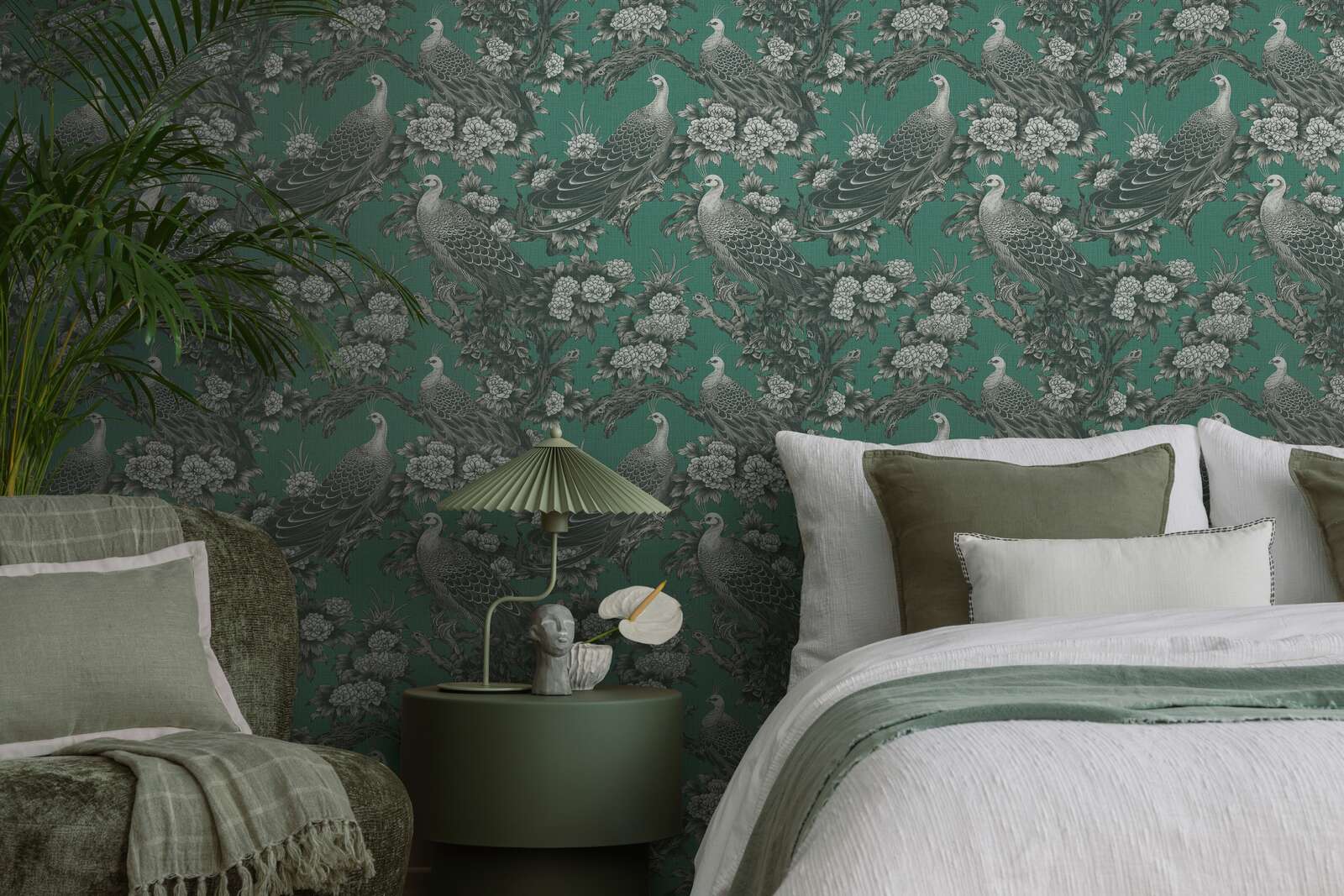
Tired of echoes in an open-plan living area? Muddy dialogue in a home theatre? Fatiguing calls in a home office? Those problems often come from poor acoustic performance: hard surfaces reflecting sound instead of absorbing it. Aesthetics still matter; so does how the room sounds.
This guide keeps the honesty path: define NRC, separate absorption from soundproofing, explain open-plan Australian echo, and point you to shop acoustic wall panels without inventing lab tables.
What is NRC?
NRC (Noise Reduction Coefficient) is a single-number rating that describes how much sound a material absorbs. It averages a material’s absorption coefficients at 250, 500, 1000 and 2000 Hz, broadly the human speech range, on a scale from 0.0 (no absorption, like a hard reflective surface) to 1.0 (complete absorption).
What NRC does not tell you
- It is an average, not a full frequency curve. A product can handle high-frequency clicks well and still struggle with low-frequency bass.
- It is not a soundproofing rating for stopping sound through walls, floors, or ceilings.
- It does not replace product sheets for a specific SKU.
For most homes (general echo in a living room, clearer speech in a home office), mid-range absorption is the useful target. Bass-heavy rooms may need additional low-frequency thinking beyond a single NRC figure.
For most residential rooms, panels in the NRC 0.7 to 0.85 class are the performance range discussed on the Tehila Maison panels hub. A panel rated at 0.85 absorbs 85% of the sound energy that strikes it and reflects the rest. Confirm specific products on live `/panels` copy or approved product sheets. We do not invent new product-by-product ratings here.
Sound absorption vs soundproofing
Absorption controls sound within a room. When sound energy hits an absorbent surface, part of it converts to heat instead of bouncing back. Echo, reverberation, and muddy reflections drop; speech and music get clearer.
Soundproofing prevents sound from entering or leaving a room. It usually needs structural mass, sealed gaps, and sometimes decoupling. Traffic noise into a bedroom is a soundproofing problem. Open-plan echo in the lounge is an absorption problem.
Tehila Maison residential acoustic wall panels are absorption products for internal walls (and related feature placements). On their own they do not stop sound travelling through a wall.
What acoustic wall panels actually do
In plain English: they soak up excess energy so conversations are easier to follow, TV dialogue is clearer, and media rooms feel less “loud because the walls are lazy.” Browse finishes and estimate quantity on acoustic wall panels. For placement ideas in entertainment rooms, read media room walls are lazy.
Open-plan Australian homes and echo
High ceilings, polished concrete or timber floors, and large glass openings all reflect sound. Waves bounce repeatedly; conversation becomes hard to follow; music and TV distort. Without traditional room dividers, energy also travels across large zones, so quiet corners are hard to create.
Placement beats quantity. Interrupt primary reflection paths rather than cladding every surface. Prioritise the largest unbroken walls, especially opposite hard glass or opposite the main seating and TV wall. In high rooms, ceilings matter too. A balanced approach that targets a modest share of wall and ceiling area usually helps more than a thin scatter of panels in the wrong places.
Home theatre: Treat first reflection points on side walls, front wall, and ceiling on the path from speakers to the listening position. Aim for clearer dialogue without making the room sound dead. Corner low-frequency treatment is a separate conversation from general wall panels.
Home office: Panels near the desk and on the wall behind the monitor usually help most, because those surfaces drive call reflections. Absorbing your own voice reduces fatigue; tempering keyboard and ambient click helps too.
NCC in one careful paragraph
The National Construction Code (NCC) sets acoustic provisions for building classes: isolation between apartments, hotels, and some commercial spaces. That is not the same brief as “make my lounge quieter.” Timber acoustic wall panels can help absorption once the room is built. They are not an NCC compliance product on their own, and we do not publish fire-test or isolation ratings we do not hold.
How to think about “how many panels”
Quantity depends on room size, ceiling height, furnishings, and whether you are treating a feature wall or a dedicated media room. Live educational copy on this topic already uses a planning rule of thumb of roughly 15-25% of total wall and ceiling area for useful absorption in many homes. Treat that as orientation, not a lab guarantee: strategic placement still matters more than blanketing every surface.
Estimate with the panel calculator (also kept on `/panels`). For media-room placement logic, use the media room keeper. Do not invent coverage percentages beyond what live pages already state.
FAQ
Do acoustic panels work?
Yes, for echo, reverberation, and speech clarity inside a room, when you place them on the right surfaces. They do not soundproof a flat or stop neighbour noise through a shared wall on their own. Honest limits matter as much as the product.
What are acoustic panels?
Acoustic wall panels are wall finishes designed to absorb sound energy and reduce reflections. Tehila Maison offers timber slat, hexagonal, and decorative residential options from the Sydney studio. Shop the range on /panels.
Can I use panels with wallpaper?
Yes. Many Australian homes use paste-the-wall wallpaper for pattern and murals, then timber or decorative panels for texture and absorption on the same or adjacent walls. See wallpaper and panels together.
Shop acoustic wall panels
- Browse acoustic wall panels (timber slat, hex, decorative).
- Estimate with the panel calculator.
- Read media room walls are lazy for entertainment placements.
- Pair with wallpaper via wallpaper and panels if you want one system.
- Call +61 492 164 223 or use /contact for Sydney studio advice.
Answer-ready: NRC is a single-number average of how much sound a surface absorbs across common speech frequencies. It helps compare absorption inside a room; it is not a soundproofing rating. Tehila Maison’s panels hub discusses residential panels in the NRC 0.7-0.85 class already stated on that page. After reading this guide, estimate with the panel calculator, shop acoustic wall panels, and call +61 492 164 223.